Lightning protection system and its components – principle of lightning protection
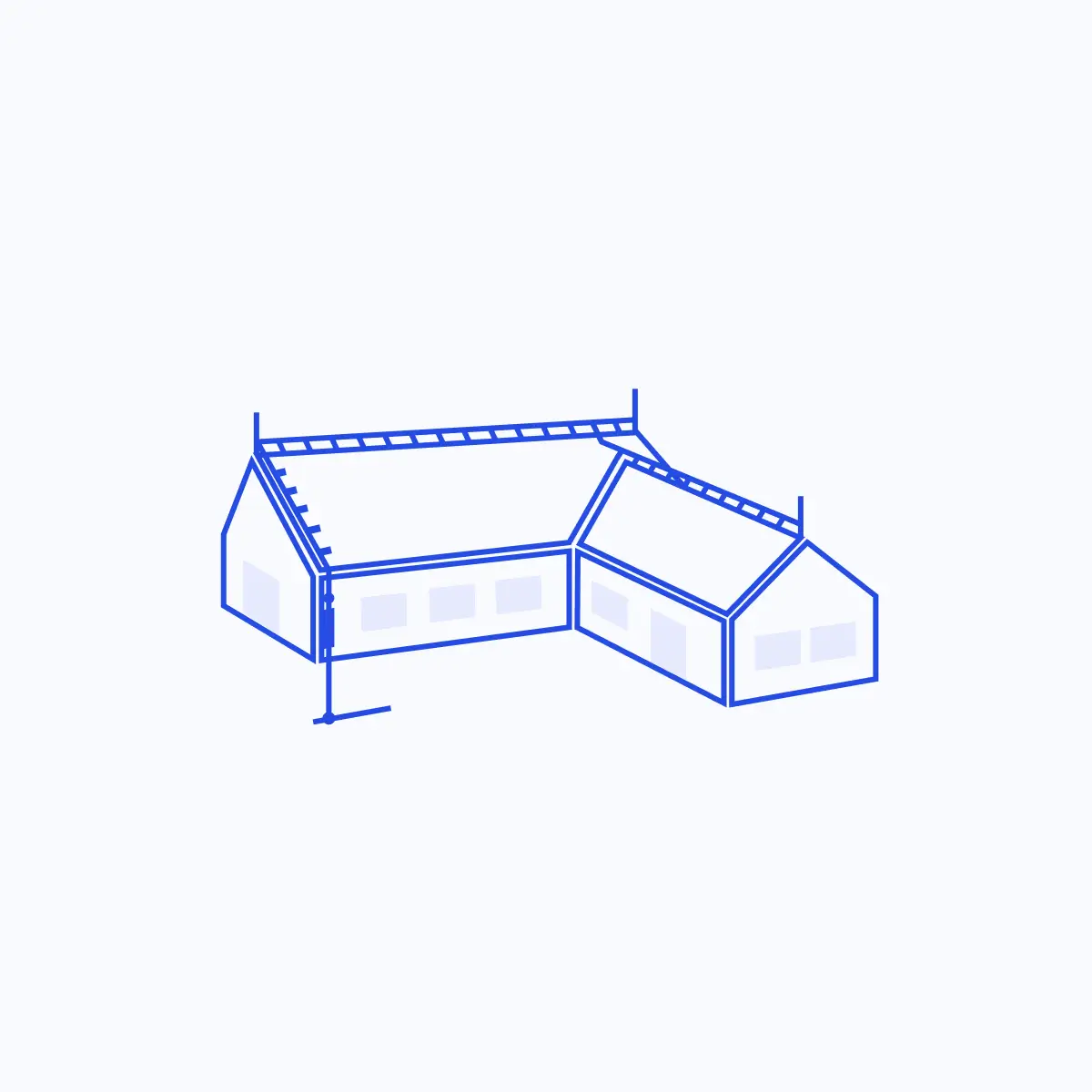
A lightning protection system consists of three main components – air terminals, down conductors and earthing. Together they provide effective external lightning protection and safely conduct the electrical discharge away from the protected structure.
Air terminals capture the lightning strike, down conductors carry it by the shortest path to the ground, and the earthing system ensures its safe dissipation. A properly designed and professionally installed system protects both the structure and people from the effects of lightning strikes and overvoltage.
Before commissioning, the installed system must undergo a lightning protection and earthing inspection in accordance with relevant standards, and an inspection report must be issued. Without this document, the lightning protection system must not be put into operation. Subsequently, prescribed periodic inspections must be carried out at defined intervals.